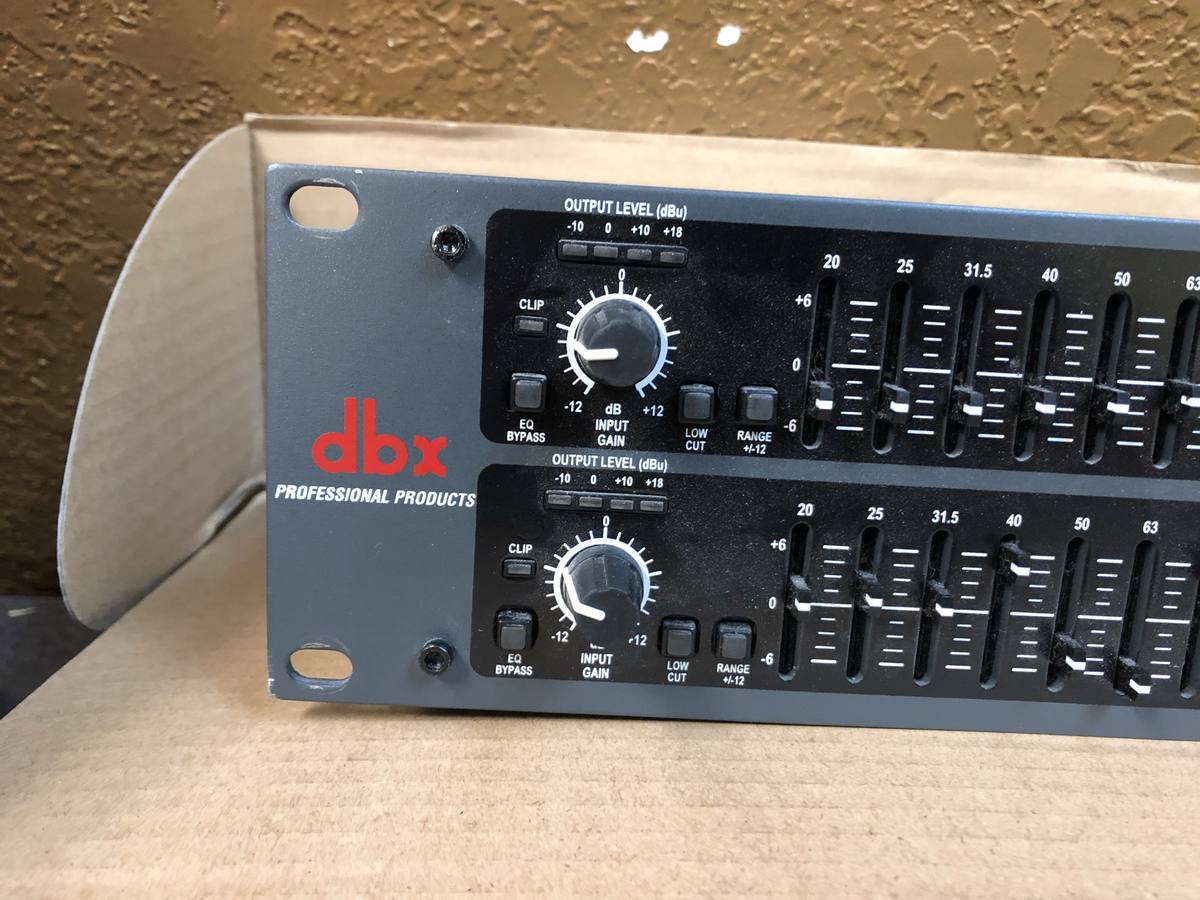
EQ Basics for the One Person Sound Booth

By Nikki
August 19, 2026 · 4 min read · Updated August 23, 2026
Somewhere in the middle of the service the mix goes muddy. The pastor's voice and the acoustic guitar are fighting for the same space, and nobody in the booth can name what's wrong, so a hand reaches for the master volume, which was never the problem. That's an EQ issue almost every time, and once you know what those knobs actually control, you stop guessing and start fixing it in seconds.
What EQ Actually Does (No Jargon)
EQ, short for equalization, just means turning specific parts of a sound up or down. Every voice and instrument is made of a bunch of frequencies stacked together, low, middle, and high. EQ lets you reach in and adjust one slice of that without touching the rest. Think of it less like a volume knob and more like a set of volume knobs, one for each part of the sound. Too much low end and a voice sounds boomy. Too much high end and it sounds harsh or thin. EQ is how you fix that.
The Three Ranges That Actually Matter in a Small Room
You don't need to memorize a chart of frequency numbers to get this right. Just know the three broad zones and what happens when each one runs hot.
- Lows. This is rumble, room hum, and the boomy chest thump of a kick drum or a bass heavy voice. Too much low end muddies everything else on the mix and is usually the first thing to cut back, not boost.
- Mids. This is where most of a voice actually lives, and it's the range most people neglect. A voice that sounds thin or gets lost under music usually needs a little help here, not more volume.
- Highs. This is air, sparkle, and the sizzle on cymbals or the crispness of consonants in speech. Too much and it turns harsh fast, especially over a livestream where compression exaggerates it further.
The Mistake Almost Everyone Makes First
New to EQ, and almost everyone does this: boost everything a little because it "sounds better" in isolation. It doesn't work that way once every channel is stacked together. Boosting the highs on the pastor's mic, the worship leader's mic, and the acoustic guitar all at once just adds harshness on top of harshness. The better habit, and the one that actually fixes problems, is cutting what's fighting for space instead of boosting what you like. If the mix sounds muddy, cut some low end off the acoustic guitar before you touch anything else. Cutting is almost always the safer first move.
A Simple Starting Move to Try This Week
Pick one channel that's been bugging you, the pastor's mic is a good one to start with since it's the most important channel in the room. Sweep a mid range band up and down slowly while it's live (soundcheck, not mid sermon) and listen for where it sounds boxy or nasal. Cut a little there. That's it. You don't need to touch the whole board today. One channel, one small cut, and you'll hear the difference immediately.
When to Leave It Alone
Not every problem is an EQ problem. If a mic sounds thin because it's positioned wrong, or a mix sounds bad because gain staging is off somewhere upstream, EQ can't fix that, it'll just mask it or make it worse. Get the basics right first, mic placement, gain staged properly, and let EQ handle the fine tuning it's actually built for.
EQ, gain staging, and signal flow all work together, and none of them fix a problem the other two caused. If gain staging still feels like a mystery, that's worth sorting out before you spend more time chasing EQ settings. And if you want the fuller picture of what happens between the mic and the speaker, the signal flow breakdown covers that step by step.
This is one piece of the full small church sound guide, signal flow through wireless dropouts, in the order they build on each other.
Grab the Sunday Checklist if you want a real pre-service routine that catches problems like this before doors open, not mid sermon. Follow along for more small church sound fixes, and drop a question if there's a specific EQ problem in your room that's got you stuck.
Stay in the loop
Pick what you want to hear about. I'll only email when there's something useful to share, and you can unsubscribe any time.
Your email stays private. Read the Privacy Policy.
Comments
Be the first to leave a comment.